Personal info
Known for
Editor
Gender
Male
Birthday
06 November
Location
Arkansas, United States
Edit pageSam O Steen
Biography
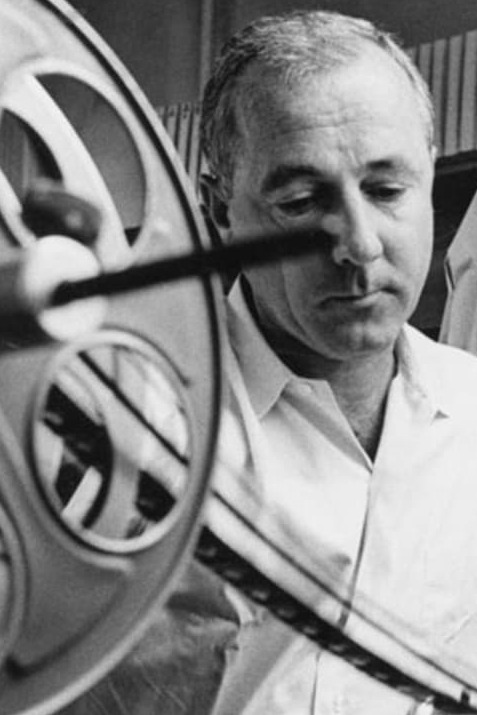
Sam O’Steen was an acclaimed American film editor whose work helped define the rhythm and emotional intensity of some of the most important films of the late 1960s and 1970s. Known for his subtle pacing, psychological insight, and collaborative spirit, O’Steen became one of Hollywood’s most respected editors.
Early Life and Entry into Film
Sam O’Steen was born on November 6, 1923, in Paragould, Arkansas, USA. He developed an early interest in storytelling and cinema, eventually moving to Hollywood to pursue a career in film editing.
He began working in the industry during the 1950s, gradually building his reputation through steady, behind-the-scenes craftsmanship. His ability to shape performances and heighten dramatic tension through editing soon distinguished him among his peers.
Breakthrough and Collaboration with Mike Nichols
O’Steen’s breakthrough came through his long and highly influential collaboration with director Mike Nichols. Their partnership produced several landmark films that became defining works of the New Hollywood era.
Among their most notable collaborations:
Who's Afraid of Virginia Woolf? (1966)
The Graduate (1967)
Carnal Knowledge (1971)
In The Graduate, O’Steen’s editing played a crucial role in establishing the film’s distinctive tone. His seamless transitions, innovative use of montage, and rhythmic integration of music (particularly the songs of Simon & Garfunkel) contributed significantly to the film’s cultural impact.
Other Major Works
Beyond his work with Nichols, O’Steen edited several other important films of the era, including:
Rosemary's Baby (1968), directed by Roman Polanski
Chinatown (1974), directed by Roman Polanski
In Chinatown, O’Steen’s editing heightened the film’s atmosphere of paranoia and moral ambiguity, carefully controlling the revelation of information to maintain suspense. His work on these films demonstrated his mastery of pacing and narrative structure.