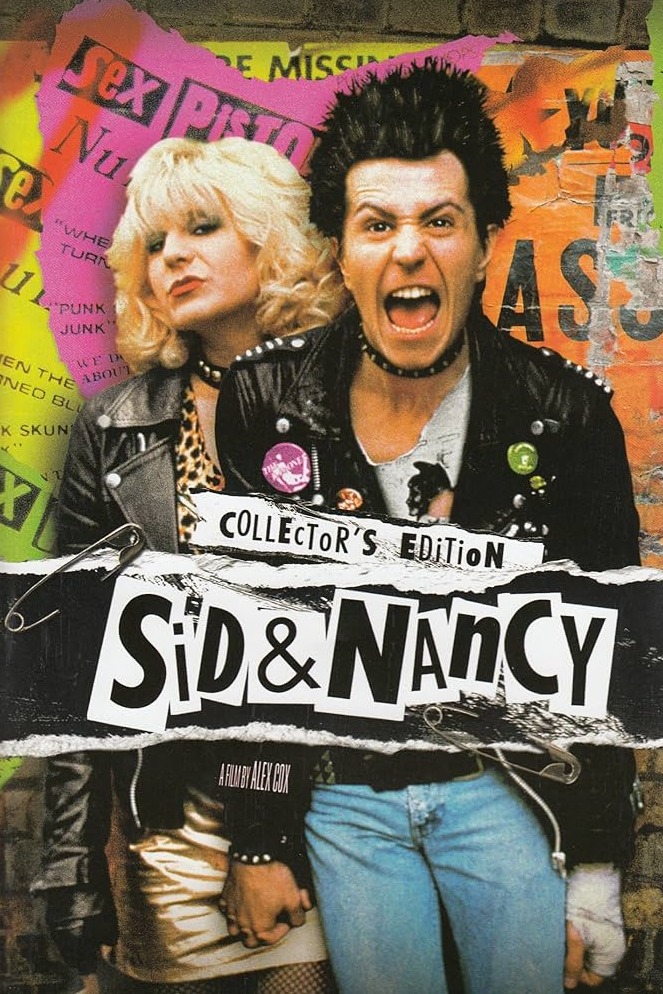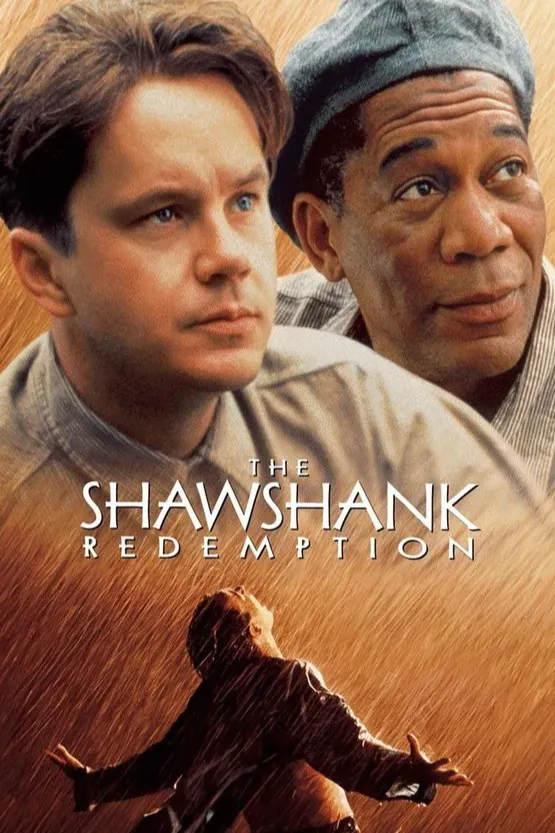
Personal info
Known for
Cinematographer
Gender
Male
Birthday
24 May
Location
England, United Kingdom
Edit pageRoger Deakins
Biography
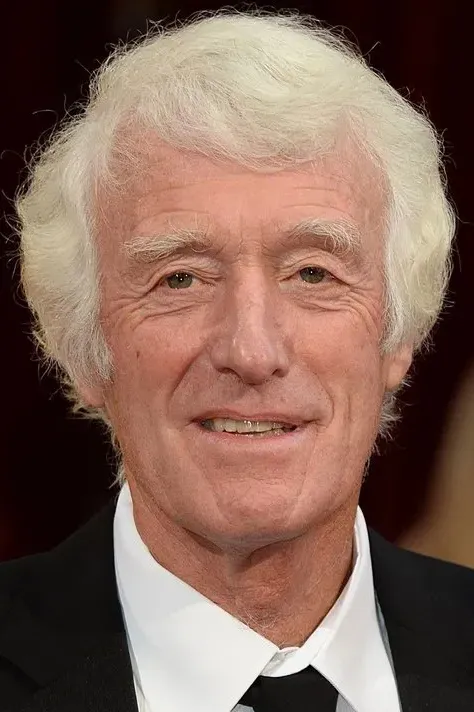
Roger A. Deakins is widely regarded as one of the greatest cinematographers in the history of cinema. Renowned for his precise use of light, naturalistic compositions, and deep collaboration with directors, Deakins has shaped the visual language of modern film across multiple genres, from intimate dramas to epic science fiction.
Early Life and Education
Roger Alexander Deakins was born on May 24, 1949, in Torquay, Devon, England. Raised in a rural environment, he developed an early appreciation for landscapes and natural light—elements that would later define his visual style. Initially interested in painting, he studied graphic design at Bath Academy of Art before shifting his focus to photography and filmmaking.
He later attended the National Film and Television School in England, where he refined his technical skills and artistic sensibilities. During this period, Deakins worked extensively on documentaries, an experience that profoundly influenced his preference for realism and understated visual storytelling.
Early Career
Deakins began his professional career in the late 1970s and early 1980s, primarily as a documentary cinematographer. This background trained him to work efficiently with available light and real locations, fostering a style that prioritizes authenticity over artificiality.
His transition to narrative filmmaking came with British feature films, but his career took a major turn when he began collaborating with American filmmakers, particularly the Coen Brothers.
Collaboration with the Coen Brothers
Roger A. Deakins’ long-standing partnership with Joel and Ethan Coen is among the most celebrated director–cinematographer collaborations in film history. Beginning with Barton Fink (1991), Deakins went on to shoot numerous Coen Brothers films, including Fargo (1996), The Big Lebowski (1998), O Brother, Where Art Thou? (2000), No Country for Old Men (2007), and True Grit (2010).
Through these films, Deakins demonstrated remarkable versatility—moving effortlessly between stark realism, stylized comedy, and haunting minimalism—while maintaining a consistent visual clarity.
Expanding Hollywood Career
Beyond the Coen Brothers, Deakins collaborated with many acclaimed directors. His work with Sam Mendes on Jarhead (2005), Skyfall (2012), and 1917 (2019) showcased his ability to combine technical innovation with emotional impact. Skyfall was particularly noted for elevating the visual sophistication of the James Bond franchise.
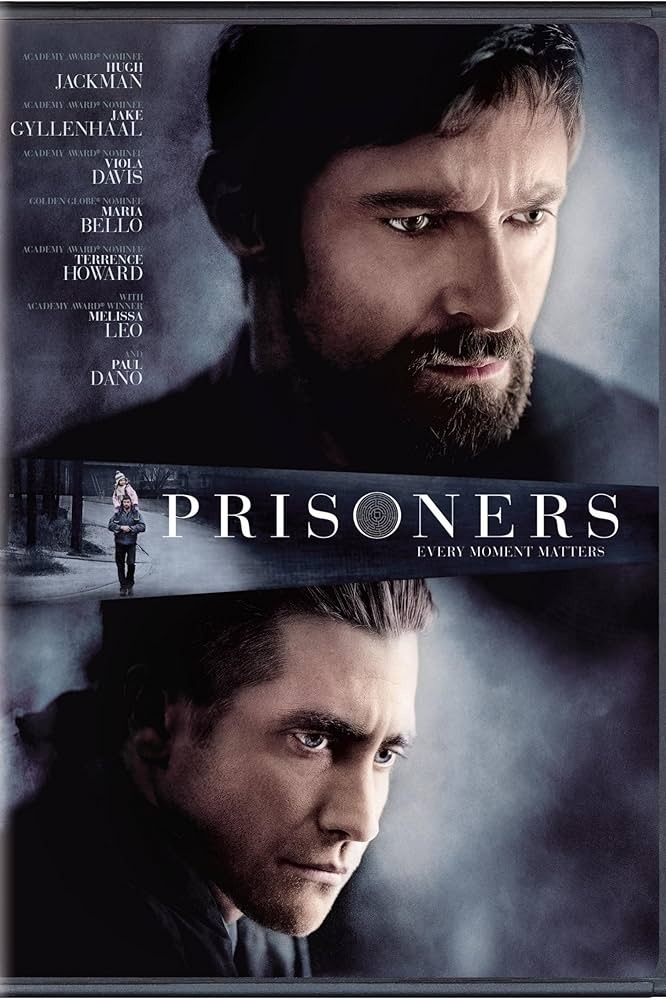
He also worked with Denis Villeneuve on Prisoners (2013), Sicario (2015), Blade Runner 2049 (2017), and Dune (2021). These films highlighted Deakins’ mastery of atmosphere, scale, and mood, especially in science fiction and thriller genres.
Awards and Recognition
Roger A. Deakins received numerous Academy Award nominations before winning his first Oscar for Blade Runner 2049 (2017), followed by a second win for 1917 (2019). His long-overdue recognition was widely celebrated within the film industry.
In addition to Academy Awards, he has earned multiple BAFTA Awards and honors from cinematography societies worldwide, solidifying his legacy as a master craftsman.