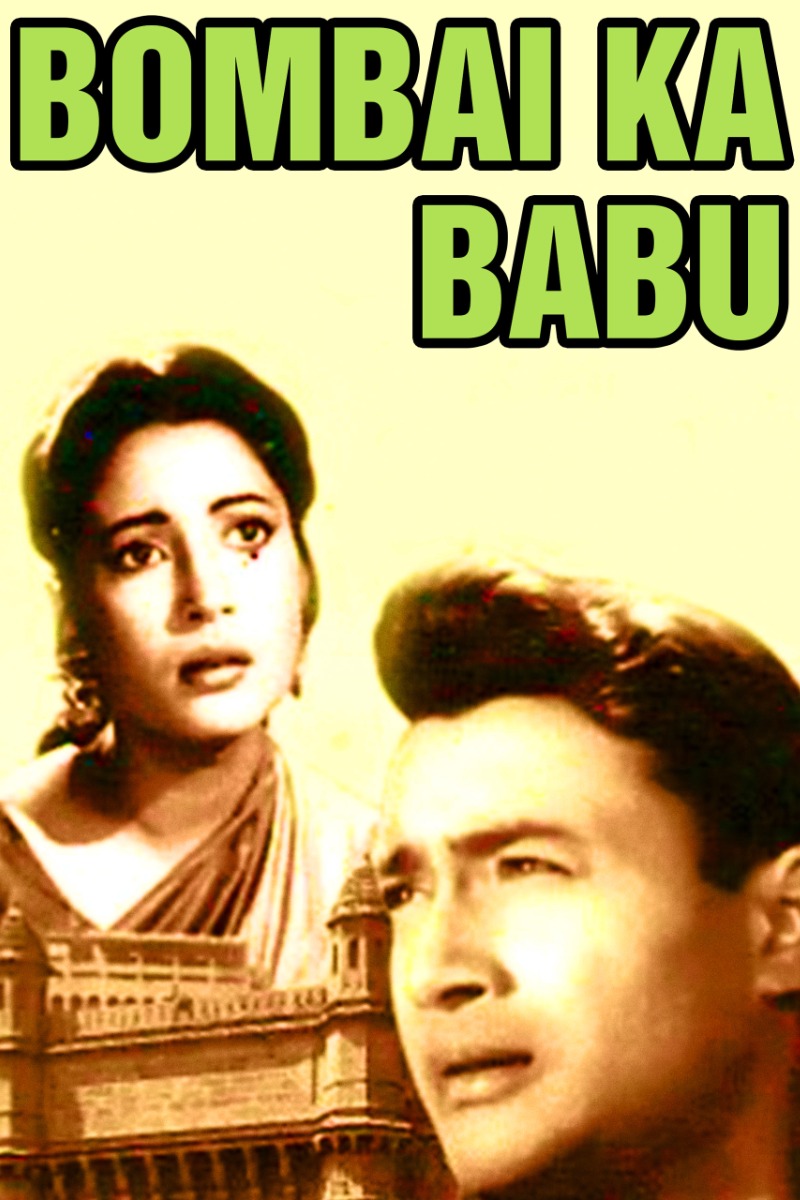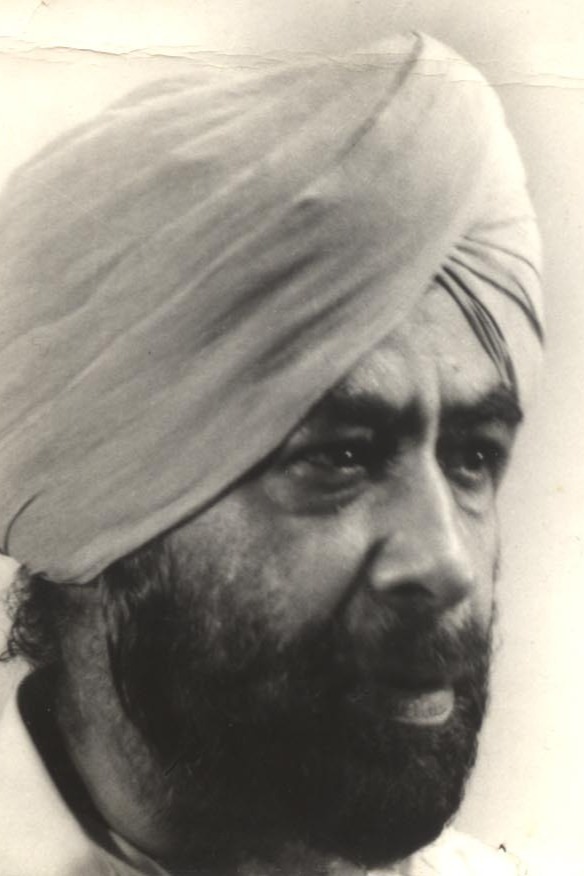
Personal info
Known for
Writer
Gender
Male
Birthday
01 September
Location
Punjab, Pakistan
Edit pageRajinder Singh Bedi
Biography
Rajinder Singh Bedi (1 September 1915 – 11 November 1984) was an Indian Urdu writer, screenwriter, dialogue writer, and film director. He is regarded as one of the greatest Urdu fiction writers of the twentieth century and was also a major contributor to Hindi cinema through his screenplays and dialogues.
Early Life
Bedi was born on 1 September 1915 in Sialkot, Punjab, British India (now in Pakistan). He developed an interest in literature from a young age and began writing short stories while working in the postal department. His literary work soon earned recognition for its realism, emotional depth, and sensitive portrayal of ordinary people.
Literary Career
Rajinder Singh Bedi became one of the leading figures of the Progressive Writers' Movement. His short stories and novels explored themes such as poverty, human relationships, social injustice, and the psychological struggles of common people.
Some of his most celebrated literary works include:
Ek Chadar Maili Si
Garam Coat
Lajwanti
Apne Dukh Mujhe De Do
His novel Ek Chadar Maili Si received wide acclaim and was later adapted into films.
Film Career
After moving to Bombay (Mumbai), Bedi entered the film industry as a screenwriter and dialogue writer. He wrote for several landmark Hindi films and became known for his realistic and emotionally powerful dialogues.
His notable film credits include:
Badi Bahen (1949)
Daag (1952)
Devdas (1955)
Madhumati (1958)
Satyakam (1969)
Dastak (1970)
Bedi also directed films, with Dastak becoming his most acclaimed directorial work.
Awards and Recognition
Rajinder Singh Bedi received numerous honors for his contributions to literature and cinema, including:
Sahitya Akademi Award for Ek Chadar Maili Si
Padma Shri (1972)
National and Filmfare recognition for his work in Indian cinema
Death
Rajinder Singh Bedi passed away on 11 November 1984 in Mumbai, Maharashtra, at the age of 69. His literary and cinematic legacy continues to hold an important place in Indian cultural history.