Manohar Shyam Joshi
Biography
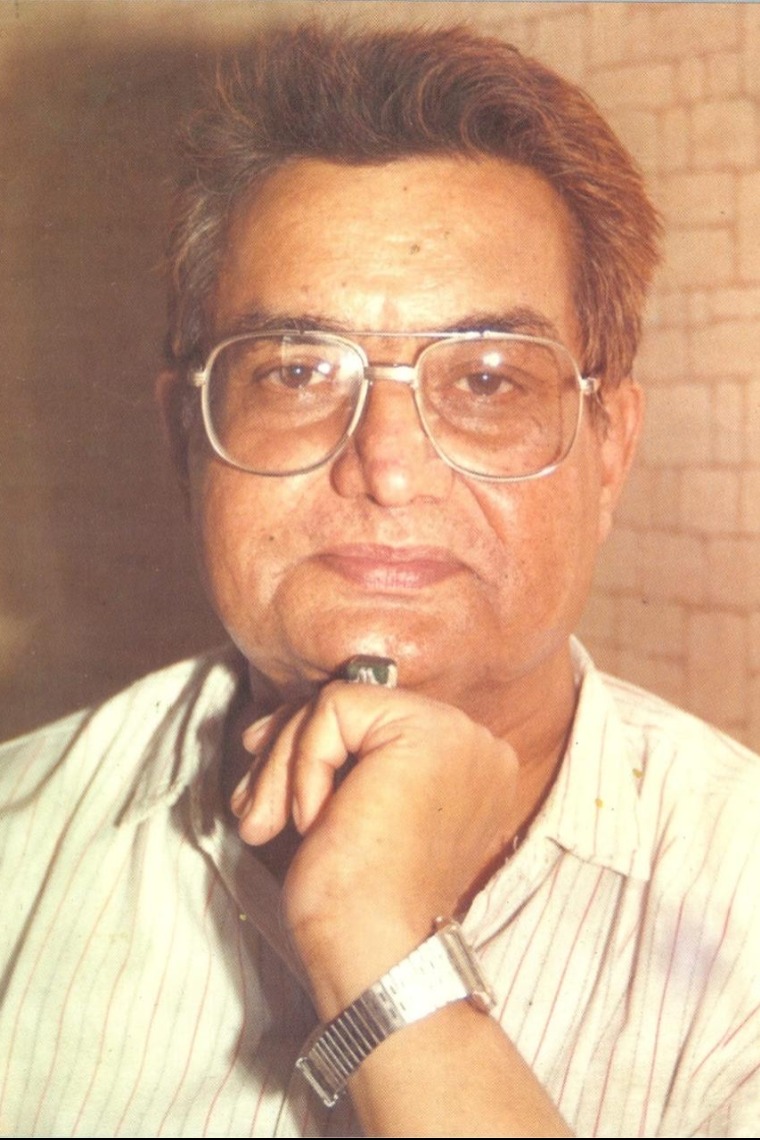
Manohar Shyam Joshi (1933–2006) was a pioneering Indian writer, novelist, screenwriter, and journalist who played a formative role in shaping modern Hindi literature and Indian television. Often regarded as one of the architects of Hindi-language television drama, he is best remembered for creating some of India’s earliest and most influential TV serials, while also maintaining a distinguished career as a novelist and literary thinker.
Early Life and Education
Manohar Shyam Joshi was born in 1933 in Ajmer, in present-day Rajasthan. He grew up in a middle-class family and developed an early interest in reading and writing. He pursued higher education in Hindi literature, which laid the foundation for his later work as both a creative writer and a critic. His academic background gave him a strong command of language, narrative structure, and social observation.
Career in Journalism and Literature
Joshi began his professional life as a journalist and columnist, writing incisive essays and opinion pieces. His writing was known for its sharp intellect, irony, and deep engagement with middle-class Indian life. As a novelist, he emerged as a major figure in Hindi fiction, particularly associated with the “middle-class novel.”
His most acclaimed novel, Kasap (later published as Kuru Kuru Swaha), is considered a landmark in Hindi literature for its psychological depth and unconventional narrative style. Other notable literary works include Hariyali Aur Raste, Ek Kamra Beech Mein, and Anavaran, all of which explore identity, desire, alienation, and the complexities of modern urban life.
Contribution to Indian Television
Manohar Shyam Joshi’s most far-reaching impact came through television. In the 1980s, when Indian television was still in its formative years, he helped define the grammar of long-form TV storytelling in Hindi.
He was the creator and principal writer of Hum Log (1984), India’s first long-running television soap opera. The show became a cultural phenomenon, portraying the everyday struggles of a lower-middle-class family and resonating deeply with audiences across the country. Its success established television as a powerful medium for social storytelling in India.
He followed this with Buniyaad (1986), a critically acclaimed series set against the backdrop of the Partition of India. The show was praised for its emotional depth, historical sensitivity, and strong character arcs, and remains one of the most respected Indian television dramas ever made.
Joshi also created Kakaji Kahin (1988), a political satire that showcased his wit and critical insight into Indian politics and bureaucracy. Through these works, he demonstrated that television could be both popular and intellectually serious.
Death and Legacy
Manohar Shyam Joshi passed away on 2 March 2006. His death marked the loss of one of India’s most original narrative voices.