Personal info
Known for
Producer
Gender
Male
Birthday
03 January
Location
Punjab, Pakistan
Edit pageChetan Anand
Biography
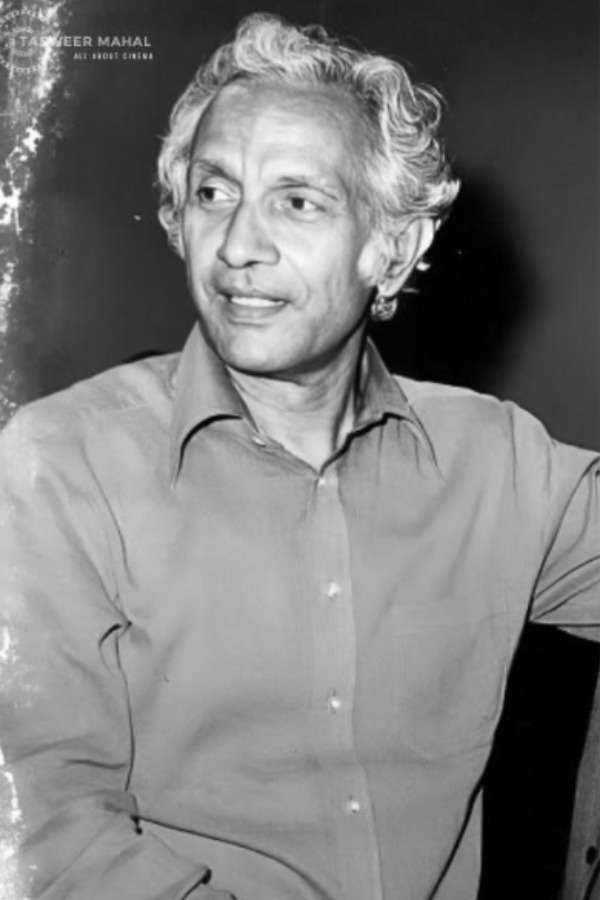
Chetan Anand (3 January 1915 – 6 July 1997) was an Indian film director, producer, screenwriter, and actor who played a pioneering role in shaping Hindi cinema. A founding member of Navketan Films, he was known for his realistic storytelling, poetic filmmaking, and technically accomplished productions. Over a career spanning more than five decades, he directed several critically acclaimed and commercially successful films, earning a reputation as one of India's finest filmmakers.
Early Life
Chetan Anand was born on 3 January 1915 in Lahore, Punjab, British India (now in Pakistan). He came from an educated Punjabi family and completed his studies at Government College, Lahore. Before entering films, he briefly worked as a teacher and pursued his interest in theatre and literature.
He was the eldest of the famous Anand brothers, with Dev Anand and Vijay Anand later becoming major figures in Hindi cinema.
Career
Chetan Anand made his directorial debut with Neecha Nagar (1946), a socially conscious drama inspired by Maxim Gorky's The Lower Depths. The film won the Grand Prix at the inaugural Cannes Film Festival in 1946, becoming the first Indian film to receive the festival's highest honor and bringing international recognition to Indian cinema.
In 1949, he co-founded Navketan Films with his younger brother Dev Anand. The production house went on to become one of the most influential banners in Hindi cinema.
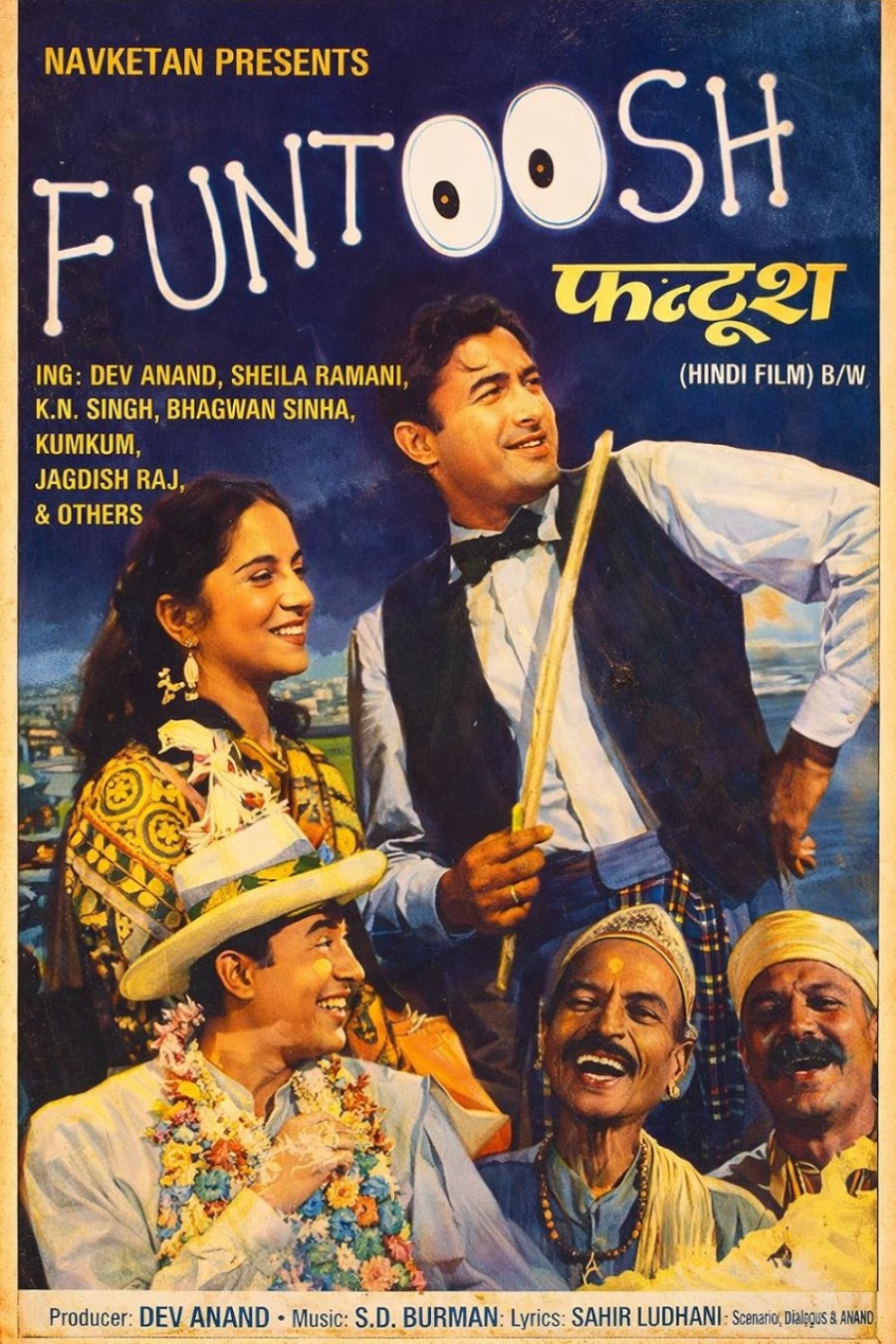
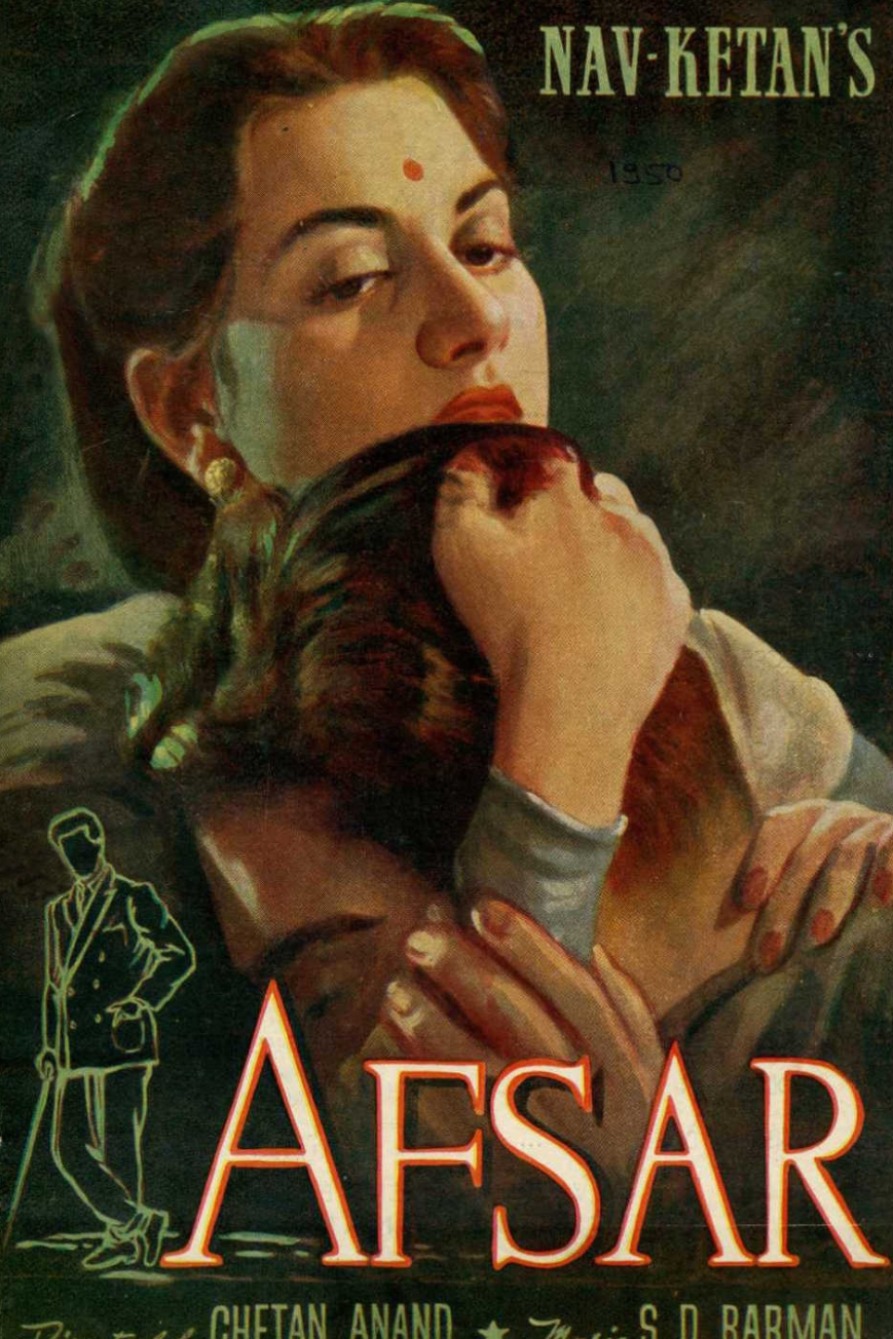
As a director, Chetan Anand was known for combining artistic vision with compelling storytelling. His most celebrated films include Afsar (1950), Taxi Driver (1954, producer), Funtoosh (1956), Haqeeqat (1964), Aakhri Khat (1966), Heer Raanjha (1970), Hanste Zakhm (1973), Hindustan Ki Kasam (1973), Kudrat (1981), and Haathon Ki Lakeeren (1986).
Haqeeqat, based on the 1962 Sino-Indian War, is widely regarded as one of the greatest Indian war films ever made. Heer Raanjha was notable for presenting nearly all of its dialogue in poetic verse, making it one of the most distinctive films in Hindi cinema.
Apart from directing, Chetan Anand also acted in several films and television productions, displaying his versatility both behind and in front of the camera.
Awards and Recognition
Chetan Anand received numerous honors for his contribution to Indian cinema. His debut film Neecha Nagar won the Grand Prix at the 1946 Cannes Film Festival, while Haqeeqat earned widespread critical acclaim and is considered a landmark in Indian war cinema. His films continue to be studied for their artistic and technical excellence.
Legacy
Chetan Anand is remembered as one of the pioneers of parallel and realistic filmmaking in India. His work blended social themes, literary influences, memorable music, and innovative cinematography, leaving a lasting impact on generations of filmmakers. Alongside his brothers Dev Anand and Vijay Anand, he played a key role in shaping the golden era of Hindi cinema.
Selected Filmography
As Director
- Neecha Nagar (1946)
- Afsar (1950)
- Aandhiyan (1952)
- Funtoosh (1956)
- Haqeeqat (1964)
- Aakhri Khat (1966)
- Heer Raanjha (1970)
- Hanste Zakhm (1973)
- Hindustan Ki Kasam (1973)
- Kudrat (1981)
- Haathon Ki Lakeeren (1986)
As Producer
- Taxi Driver (1954)
As Actor
- Neecha Nagar (1946)
- Kudrat (1981)
- Haathon Ki Lakeeren (1986)
Death
Chetan Anand passed away on 6 July 1997 in Mumbai, Maharashtra, at the age of 82. He is remembered as one of the greatest filmmakers in Indian cinema, whose visionary work elevated Indian films on both the national and international stage.